
News

A tenant cannot recover its subsidiary’s losses after a disaster
This Supreme Court property law judgement clarifies the strict boundaries of contractual remedies in commercial leases, ruling that commercial tenants cannot recover business interruption losses
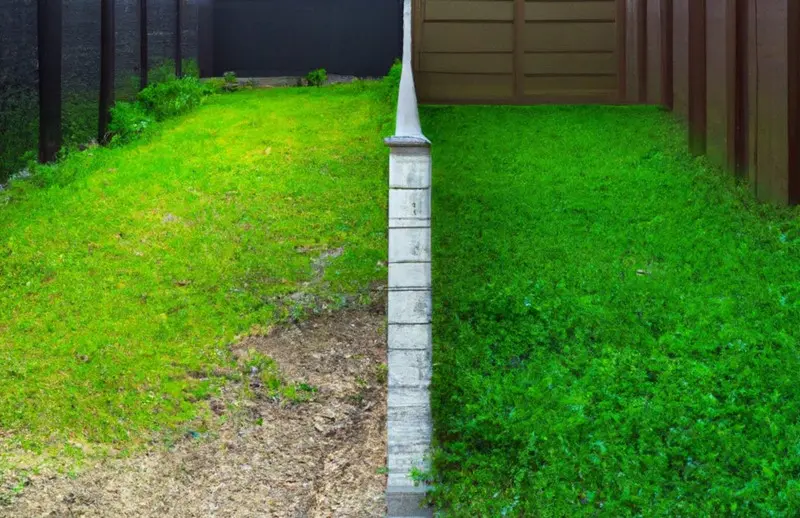
Longstanding boundary features must remain for surveying
When a longstanding fence is pulled down before anyone can record exactly where it stood, determining a boundary can become a battle of photographs and wills.
Background:
Two neighbouring households

Technical errors don’t always impede a managerial takeover
Strict procedural compliance is not always a prerequisite for valid statutory claims, provided the overarching purpose of the legislation is fulfilled, and no material injustice

Dilapidation of a residential property can cross a taxable threshold
If a residential property has suffered years of neglect, structural degradation, or even extensive hazardous contamination, determining whether it remains "residential property" for the
When private property rights clash with development plans
Balancing a property owner’s desire to redevelop land with neighbours’ rights under restrictive covenants requires a careful evaluation of practical benefits, cooperative management structures, and

Restrictive covenants are impermanent
A recent tribunal ruling has provided critical clarity on when historic restrictive covenants can be modified to permit residential development.
Background:
The dispute centred upon a parcel of land

Can your landlord force you to pay into a building reserve fund?
This judgement examined whether a residential landlord can lawfully collect reserve fund contributions from leaseholders when no such provision exists within the original lease

When housing duty ends automatically
Every person facing homelessness deserves absolute clarity concerning their housing rights, yet navigating the statutory mechanisms that govern the duties of the local housing authority (LHA) often

Historic covenants on title deeds are not necessarily absolute
The Upper Tribunal (UT) recently addressed how modern home-based business activities may conflict with historical property restrictions.
Background:
This decision arose from a long-running property